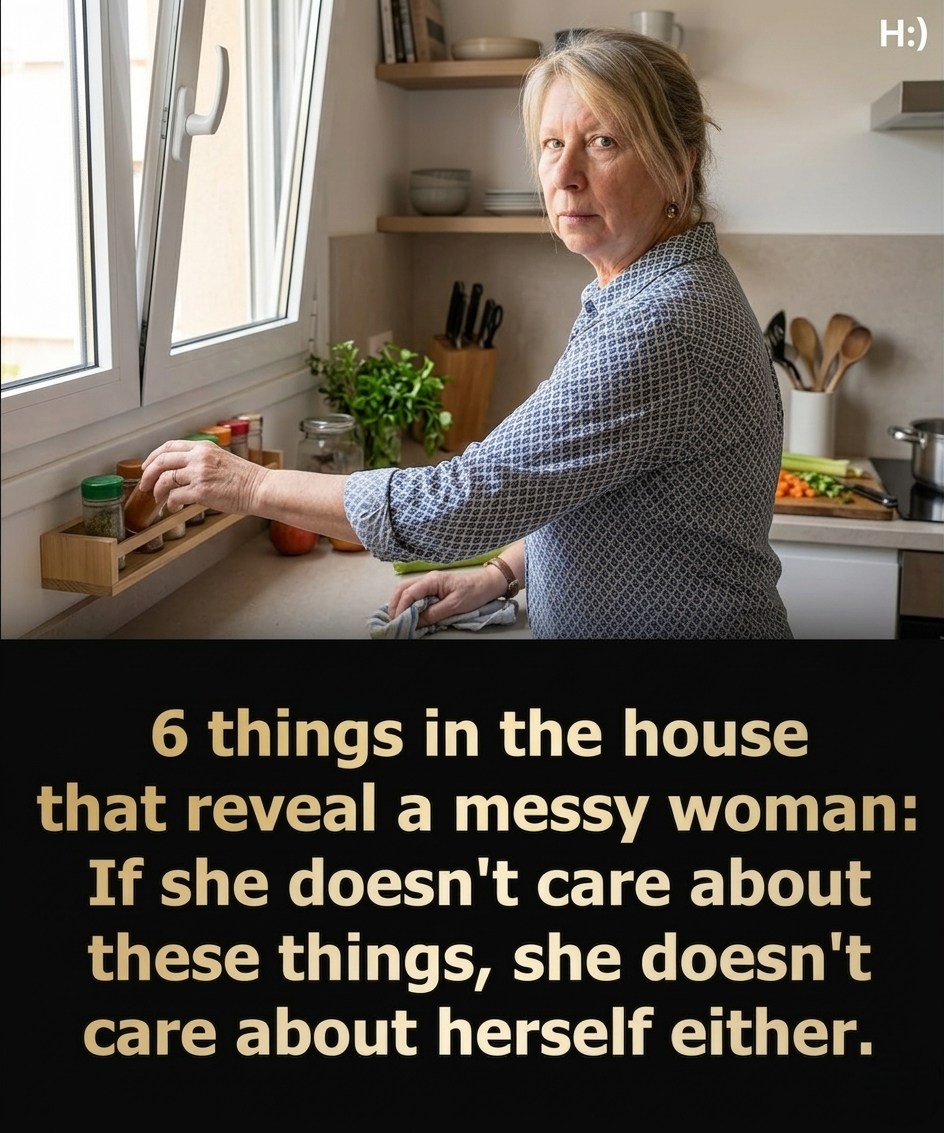
From overflowing surfaces and disorganized spaces to forgotten tasks and stress triggers, experts explain how clutter can impact mental health, productivity, and emotional balance—while offering insights on how tidying up can improve life, calm the mind, and boost overall wellness.
More Than a Shelter: Your Home as an Inner Mirror
A home is often seen simply as a shelter, a reflection of personal taste, or a container for belongings. But in truth, it is far more than that—it can act as an intimate mirror of a person’s inner life, revealing subtleties about emotional states, mental burdens, and even physical health.
Psychologists have long observed that environments are not neutral spaces; rather, they communicate aspects of the lives of those who inhabit them. Clutter, mess, or disorganization is commonly misunderstood as a sign of laziness, negligence, or lack of care. Yet such judgments overlook the profound complexities behind the state of a home.
Frequently, disorder emerges from:
Stress and burnout
Life transitions
Grief and loss
Health challenges
Cognitive overload
When responsibilities pile up and mental energy becomes depleted, keeping a home meticulously tidy may no longer feel realistic, let alone essential. In these moments, what appears externally as chaos is often an external expression of internal strain—an unspoken testament to the limits of human energy and focus.
Approaching a cluttered space with empathy rather than judgment allows for understanding that these physical manifestations are more than aesthetics. They are intimate records of emotional labor, cognitive load, and personal endurance.
The Subtle Language of Clutter
Observing specific patterns within a home can provide remarkably subtle insights into emotional states, often in ways that are overlooked or dismissed.
1. The Bathroom: A Window into Self-Care
Bathrooms, spaces traditionally associated with private self-care, may reveal more than meets the eye. A bathroom lacking essentials, with cluttered countertops or neglected cleanliness, can hint at difficulty maintaining basic self-care routines.
What it may reveal:
Emotional exhaustion
Overwhelm in meeting basic needs
A need for support or rest
2. The Bedroom: Disrupted Rhythms
A bed that remains unmade for days, or bedrooms that feel abandoned and untouched, often reflect disrupted schedules, low motivation, or an accumulation of stress that impedes the ability to perform even simple rituals.
What it may reveal:
Sleep disturbances
Depression or low energy
Difficulty establishing routines
3. Laundry and Dishes: The Weight of Unfinished Tasks
Laundry left unattended in baskets, dishes lingering in sinks for extended periods, or objects scattered across living spaces can act as silent signals of cognitive and emotional overload.
What it may reveal:
Mental fatigue
Decision fatigue
A backlog of responsibilities exceeding current capacity
Shared Spaces: Communal Reflections of Internal States
Shared spaces within a home—kitchens, living rooms, and dining areas—similarly carry reflections of emotional and mental states, though in ways that are often communal rather than private.
4. The Kitchen: Fatigue on Display
A kitchen sink stacked with dishes or countertops left untouched for long periods may at first glance suggest negligence. But more often, they reflect fatigue, overextension, or a lack of cognitive bandwidth. Tasks that once were routine can become increasingly burdensome when an individual is coping with stress, emotional strain, or mental health challenges.
What it may reveal:
Physical or emotional exhaustion
Decreased executive function
A need for support or simplification
5. Living Spaces: Withdrawal and Disengagement
Living rooms or communal areas that lack personalization, warmth, or attention may subtly convey detachment, low inspiration, or temporary withdrawal from engagement with one’s surroundings.
What it may reveal:
Emotional numbness
Social withdrawal
A period of transition or healing
6. Unaddressed Repairs: The Accumulation of Neglect
Even small, unaddressed household repairs—a dripping faucet, a flickering light, or a broken appliance—can accumulate into a silent narrative about exhaustion or attention fatigue. These reveal more about a person’s internal state than their level of care or motivation.
What it may reveal:
Attention fatigue
Overwhelm from competing priorities
A sense of being unable to keep up
Understanding the Full Picture
Understanding these dynamics requires contextual awareness:
Work pressures
Parenting responsibilities
Financial strain
Health concerns
Periods of grief
These factors can dramatically influence how someone interacts with their environment. By appreciating the ways in which homes reflect ongoing life challenges, we gain insight into the intricate link between external spaces and internal states—acknowledging that disorder is often a form of communication rather than a reflection of moral or personal failure.
The Path Forward: Small Interventions, Big Shifts
While the signs of clutter, disorder, or neglect can initially evoke discomfort or judgment, the encouraging reality is that even minor, intentional interventions can transform both a home and the emotional experience of inhabiting it.
Simple Strategies for Change
Strategy How to Start
Small routines Make the bed daily. Designate brief periods for tidying one room at a time.
Break tasks down Divide larger cleaning tasks into achievable segments.
Sensory enhancements Adjust lighting, add fresh linens, incorporate scented candles or plants.
Focus on function Aim for a supportive environment, not perfection.
The Self-Care Connection
Tending to one’s home becomes an active form of self-care—a tangible practice that nurtures both body and mind. As individuals witness the incremental transformation of their living spaces, they may also begin to notice improvements in:
Mood and energy
Focus and productivity
Resilience and emotional balance
By consciously shaping their surroundings, people not only create physical order but also establish a psychological foundation from which emotional recovery, growth, and stability can emerge.
The Deeper Psychological Impact
The psychological implications of a home’s condition extend far beyond mere aesthetics or organization; they intertwine deeply with identity, agency, and self-perception.
The Clutter-Stress Cycle
Living in a cluttered or chaotic environment, even temporarily, can:
Amplify feelings of helplessness
Increase anxiety
Contribute to mental fatigue
Conversely, actively creating order and structure can:
Instill a sense of control and accomplishment
Foster resilience
Reinforce self-efficacy…