I have a phobia of water—specifically oceans, seas, and large bodies of water. The fear of drowning is constant. The first time I went to the ocean with my family, I was probably thirteen or fourteen years old. I waded into the water with my mother, and when she encouraged me to put my face in, the instant the water touched my skin, I gripped her arms so tightly that I scratched her. I was convinced I was drowning, even though I was completely fine and literally standing above the water.
That is the thing about the ocean: it is unpredictable. That is what scares me the most—the sheer power of it. One minute you are relaxing in the shallow water at the shore, and the next, it pulls you further and further out. Then, panic sets in. And I cannot swim. So, if you cannot swim either, please be careful.
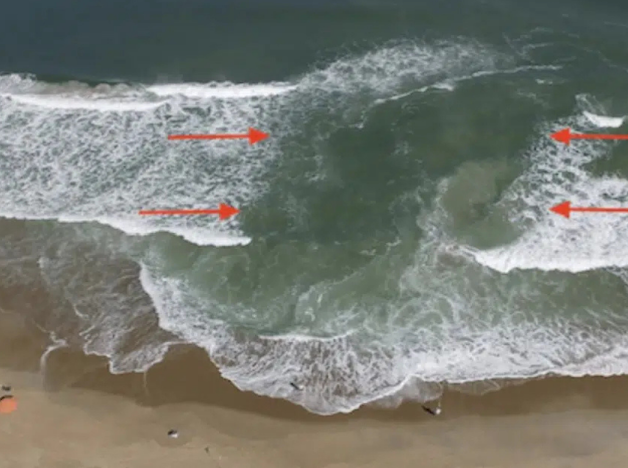
I have been trying to learn as much as I can about the ocean and seas in general, specifically regarding safety. For instance, did you know what a purple flag means at the beach? Neither did I, but it turns out it is quite important. Then, a friend told me about something strange she saw at the beach. She noticed a specific spot in the water where there were absolutely no waves. Just one calm patch amidst the breaking surf. When she told me about it, I was immediately alarmed. It was something I had never heard of, so I decided to investigate.
The Danger of Calm Water
The Danger of Calm Water
Apparently, this phenomenon is called a rip current. Rip currents are powerful, narrow channels of fast-moving water that are prevalent along coastlines all around the world. They can form at any beach with breaking waves and can quickly pull unsuspecting swimmers out to sea. Understanding when and how rip currents occur is vital for anyone who frequents the beach.
They usually form when waves break near the shoreline, causing water to pile up between the breaking waves and the beach. This excess water needs to find a way back to the ocean, so it concentrates in narrow channels through the surf zone, rushing back out to sea.
How to Spot a Rip Current
What is truly deceptive about rip currents is how calm they appear. A patch of still, flat water between more turbulent waves can look like a safe haven, but it is often the exact opposite. Recognizing a rip current is the first step in avoiding them.
Look for these warning signs:
Areas where waves are not breaking directly, while the surrounding water is choppy…