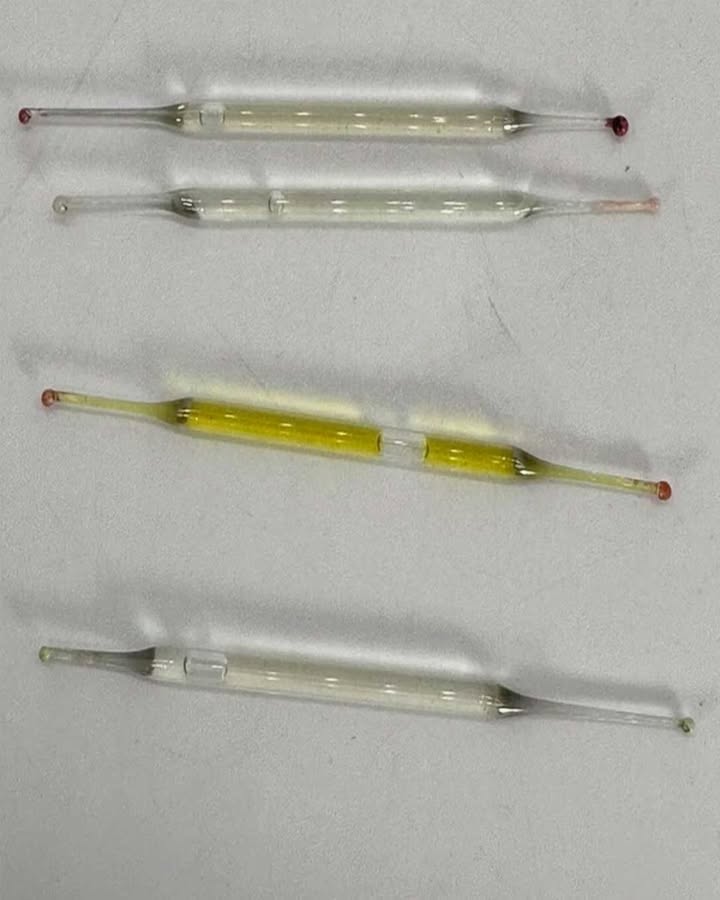
Over the decades, the popularity of perfume vials began to wane. Advances in packaging techniques and evolving consumer preferences led to a decline in the popularity of these small glass bottles. Today, they are considered vintage collectibles, prized by enthusiasts and collectors for their historical value and nostalgic appeal. While no longer an essential accessory in modern handbags, these glass bottles remind us of an era when elegance and practicality went hand in hand.In short: a nostalgic look at the past
Finding small glass vials containing liquid during a bathroom renovation offers a fascinating glimpse into the past. These antique perfume vials, once indispensable for personal hygiene in the mid-20th century, tell a story of elegance, practicality, and the constant evolution of consumer goods. Although their practical use has faded, their charm and historical significance remain, offering a nostalgic connection to a bygone era. Whether collectibles or simply admired for their beauty, these glass tubes testify to the timeless appeal of vintage elegance.
When renovating a bathroom, it’s not uncommon to discover relics of the past, hidden in every nook and cranny. Among these finds are small glass tubes, about 5 cm long, containing liquid. These intriguing objects arouse curiosity and raise questions about their origin and function. Are they perhaps relics of a bygone era, forgotten and discarded? This article explores the mystery of these glass tubes, examining their potential significance and historical context.
Description of glass tubes
These glass tubes are thin and cylindrical, about 5 cm long. Sealed at the ends, they contain a liquid that has withstood the test of time. The glass is often transparent, allowing the liquid inside to be seen, its color ranging from clear to amber. These tubes are fragile, suggesting they were intended to be handled with care. Their small size and waterproof construction suggest a specific use, perhaps for personal hygiene or perfume. Historical context: 1950s, 1960s, and 1970s
See next page